March 16, 2026 is a Monday that, in historical memory, resonates with the early days of the Ukrainian Revolution of 1917 and with broader questions of national self‑determination, civic responsibility, and collective direction. It also carries specific name‑day traditions and a reflective, practical astrological mood.
March 16 in history
In Ukrainian history, the period from March 3 (16), 1917, up to the All‑Ukrainian National Congress in April 1917 marks the initial, crucial phase of the Central Council of Ukraine (Tsentralna Rada). Researchers note that in these weeks the Ukrainian movement, long suppressed in the Russian Empire, quickly evolved from modest cultural and educational demands into a powerful political force asserting the sovereign will of the Ukrainian people and the path toward statehood.
This beginning stage—dated by historians specifically “from March 3 (16)”—is when the Central Council formed in Kyiv and started coordinating parties, societies, and communities across the country, transforming scattered activists into a national center. It is remembered as the moment when Ukrainian aspirations shifted from asking for schools and limited self‑government to openly articulating a project of national self‑rule.
A 1917 demonstration in Kyiv’s Sophia Square, with crowds and flags, visualizes how quickly the Ukrainian movement filled public spaces once the revolution began.
Who is associated with this date
March 16, 1917 is tied to figures of the Ukrainian Revolution—leaders of the Central Council like Mykhailo Hrushevsky and numerous lesser‑known activists, teachers, soldiers, and students who organized meetings, drafted resolutions, and mobilized supporters. Memoirs and documents from this “least documented” early period show how people from different parties and social backgrounds converged in Kyiv to build a shared political center, often improvising structures and procedures as they went.
Because this phase is about collective awakening rather than one single hero, March 16, 2026 symbolically belongs to those who help create institutions: organizers, local leaders, and community builders who turn public energy into durable councils, unions, and assemblies.
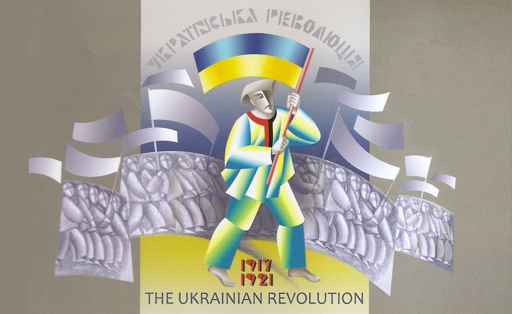
An illustration of the Ukrainian Revolution (1917–1921) with a figure holding the national flag amid a crowd captures the spirit of mass mobilization linked to mid‑March 1917.
Whose day / name day
Christian saint‑day and name‑day calendars assign different saints to March 16 depending on country and confession, so “whose day” it is in the strict liturgical sense varies. However, in Ukraine and the wider region, mid‑March commemorations of the 1917 revolution often focus on themes of national dignity, language rights, and democratic participation, which churches sometimes echo in sermons about justice and responsible citizenship.
In civic terms, March dates connected with the Central Council’s emergence serve as informal “days” of Ukrainian political awakening, used in articles and lectures to remind people that statehood began with meetings, resolutions, and ordinary citizens willing to act.
A mass manifestation in Kyiv in March 1917, with banners and a packed square, shows how the revolution’s ideas became visible in the city’s streets.
Horoscope for March 16, 2026
Astrologers generally describe March 16, 2026 as a pragmatic yet idealistic day, suitable for turning ideals into structures—mirroring the institutional work begun by the Central Council in 1917. Studies on how narratives and media shape public consciousness suggest that stories of national beginnings and protests can strongly influence how people see their own role in society, especially when shared around historically charged anniversaries. This aligns with astrological advice to be mindful of which historical and political narratives you “take into your heart” on such days.
Generic forecasts by element are often framed like this: fire signs (Aries, Leo, Sagittarius) are encouraged to channel enthusiasm into concrete projects—organizing, volunteering, or learning—rather than just heated debate. Earth signs (Taurus, Virgo, Capricorn) benefit from steady work on long‑term plans, such as career, savings, or health routines, grounding big ideals in daily habits. Air signs (Gemini, Libra, Aquarius) have strong communication energy and can use the day to network, study history or politics, and clarify their own views while avoiding empty polemics. Water signs (Cancer, Scorpio, Pisces) feel especially sensitive to collective moods; it is a good day for empathetic listening, creative expression, and emotional boundary‑setting so they are not overwhelmed by news or others’ expectations.
Astrologers thus tend to summarize March 16, 2026 as a day to combine vision with organization: honor the legacy of earlier generations who built institutions out of hope, and take small, practical steps that align your private life with the kind of society you would like to help create.
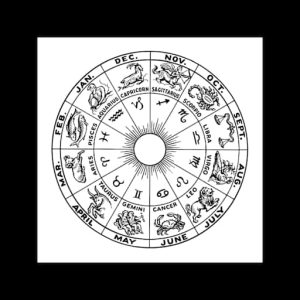
A watercolor zodiac wheel with all twelve signs reflects the reflective, system‑building energy that astrologers associate with March 16, 2026.