March 13, 2026 is a Friday framed by nuclear disaster anniversaries, space‑weather shocks, and reflection on how modern technology copes with nature’s extremes.
March 13 in history
Mid‑March is inseparable from the 2011 Fukushima crisis. After the March 11 Tōhoku earthquake and tsunami, the Fukushima Dai‑ichi nuclear plant released huge amounts of radioactive xenon‑133 and caesium‑137 into the atmosphere between March 11–15, with emissions around March 13 helping make it the largest radioactive noble‑gas release ever recorded. Atmospheric models show how these plumes spread across the Pacific and into other continents, turning those days into a case study in transboundary nuclear pollution and crisis communication.
Space‑weather history also highlights mid‑March. A major geomagnetic storm on March 13–14, 1989 severely disturbed Earth’s magnetic field, triggering transformer failures and a widespread blackout in Quebec. Comparing this event with storms documented in 1582 and 1859, researchers argue that extreme solar eruptions are recurring threats that modern power grids must be designed to withstand.
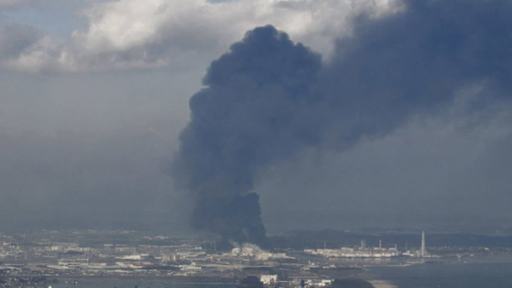
Aerial view of a dark smoke plume rising from the Fukushima nuclear plant in 2011 captures the scale and fear of the post‑tsunami crisis.
Who is associated with this date
March 13 is linked more to communities and experts than to a single famous birthday. Nuclear‑safety and atmospheric scientists analyzing Fukushima’s xenon‑133 and caesium‑137 emissions use the days around March 13 as key checkpoints in their reconstructions of source terms and plume behavior. Their work highlights the plant workers, engineers, and nearby residents whose decisions and exposures defined the human side of the accident.
In the realm of space weather, physicists and power‑system engineers study the March 1989 geomagnetic storm to understand how induced currents damage transformers and transmission lines. Their simulations and reports have turned this storm into a training example for grid operators worldwide, making mid‑March a symbolic period for thinking about infrastructure vulnerability and resilience.
Damaged high‑voltage equipment evokes how the 1989 geomagnetic storm translated solar activity directly into blackouts on Earth.
Whose day / name day
Religious and cultural calendars assign different saints to March 13 depending on country and denomination, so which names celebrate a name day varies. However, in places touched by nuclear fallout or grid failures, church services and civic events in mid‑March often include prayers or moments of silence for disaster victims and workers who manage long‑term cleanup and safety. Professional societies in fields like nuclear engineering and space weather also hold meetings or public‑outreach events in this season, informally making dates around March 13 days of reflection on technological responsibility.
Anti‑nuclear protesters in Japan with “No Nukes” banners symbolize how Fukushima turned mid‑March into a rallying point for rethinking energy policy.
Horoscope for March 13, 2026
Astrologers frame March 13, 2026 as a day of heightened sensitivity to global risks and media narratives. Psychological studies show that graphic images of disasters and war can amplify anxiety, especially when people feel personally connected to the places involved. Critical essays describing digital screens as “windows into warfare” parallel astrological advice to curate news consumption carefully and avoid doomscrolling on emotionally charged days.
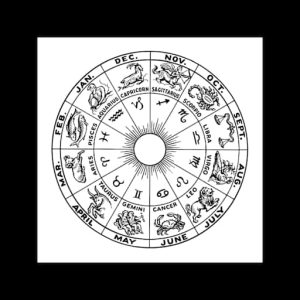
Generic forecasts by element often look like this: fire signs (Aries, Leo, Sagittarius) feel restless and are encouraged to channel energy into productive projects, learning, or preparedness rather than arguments. Earth signs (Taurus, Virgo, Capricorn) do best focusing on practical tasks, savings, and health routines, using structure to counteract vague worries. Air signs (Gemini, Libra, Aquarius) have strong communication and analytical powers that suit study or advocacy, but need to double‑check facts before sharing dramatic stories. Water signs (Cancer, Scorpio, Pisces) sense collective emotions deeply; creative work, spiritual practice, and supportive conversations are favored, with firm emotional boundaries to prevent burnout.
A vivid aurora over mountains during a geomagnetic storm visually links the sky’s turbulence with the invisible space‑weather forces studied around dates like March 13.